Immagini di Civil Rights Memorial
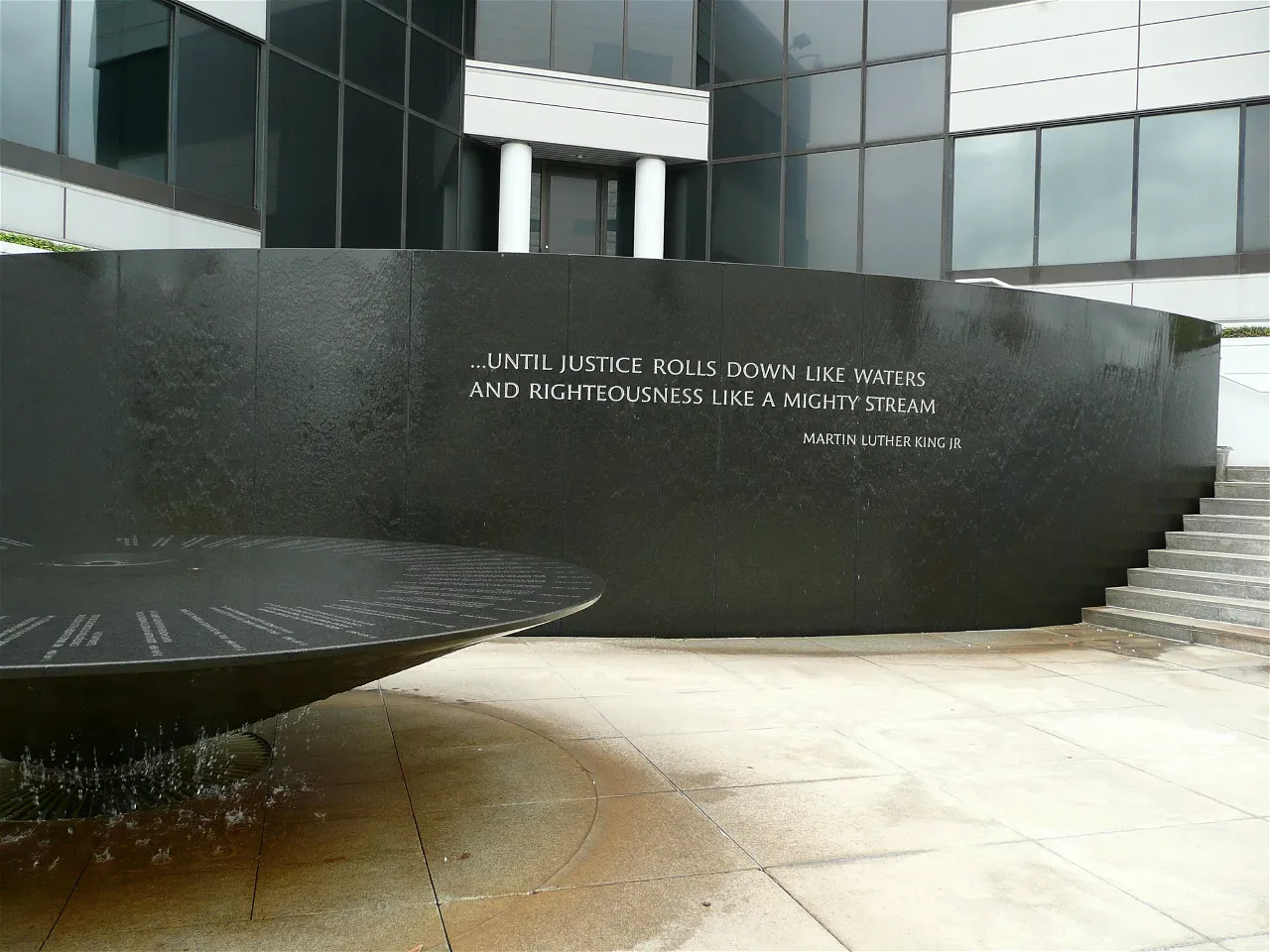
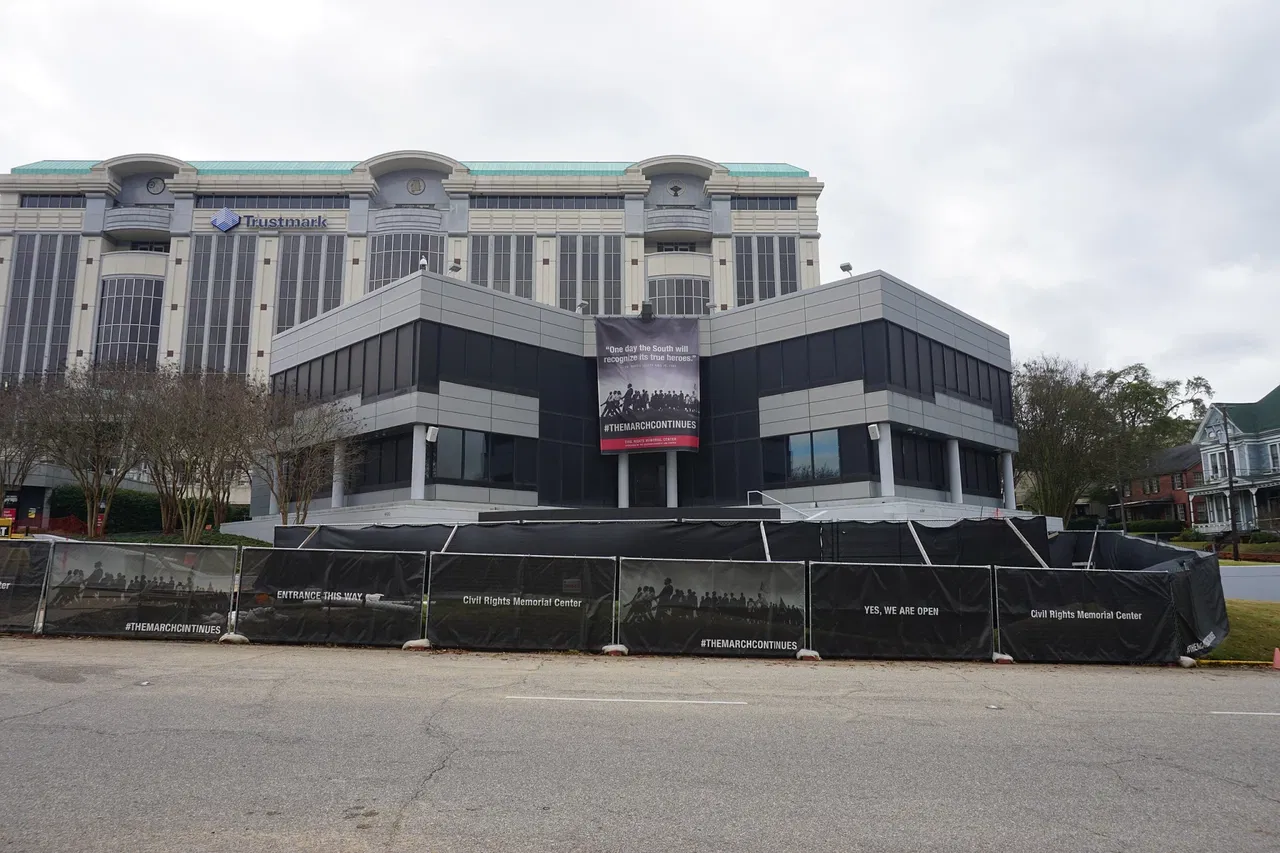
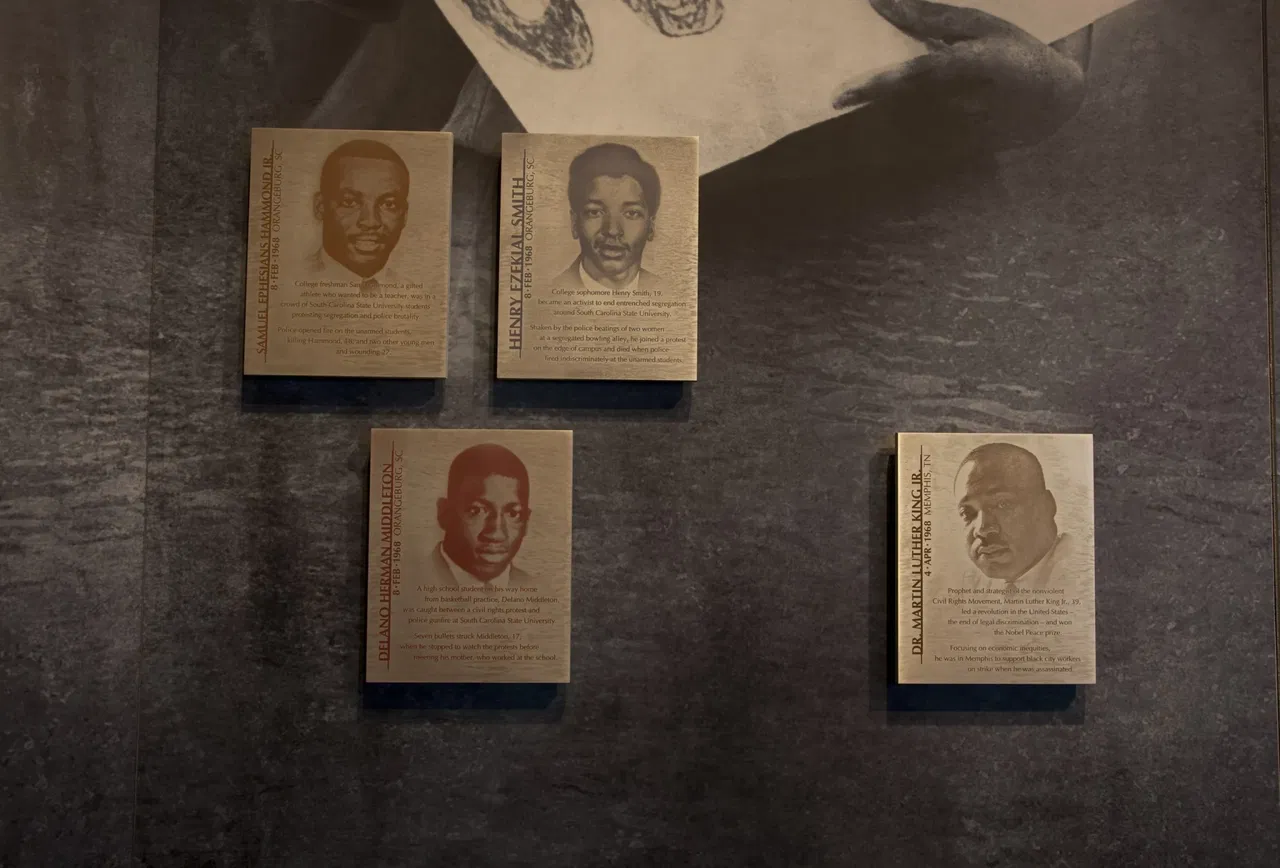
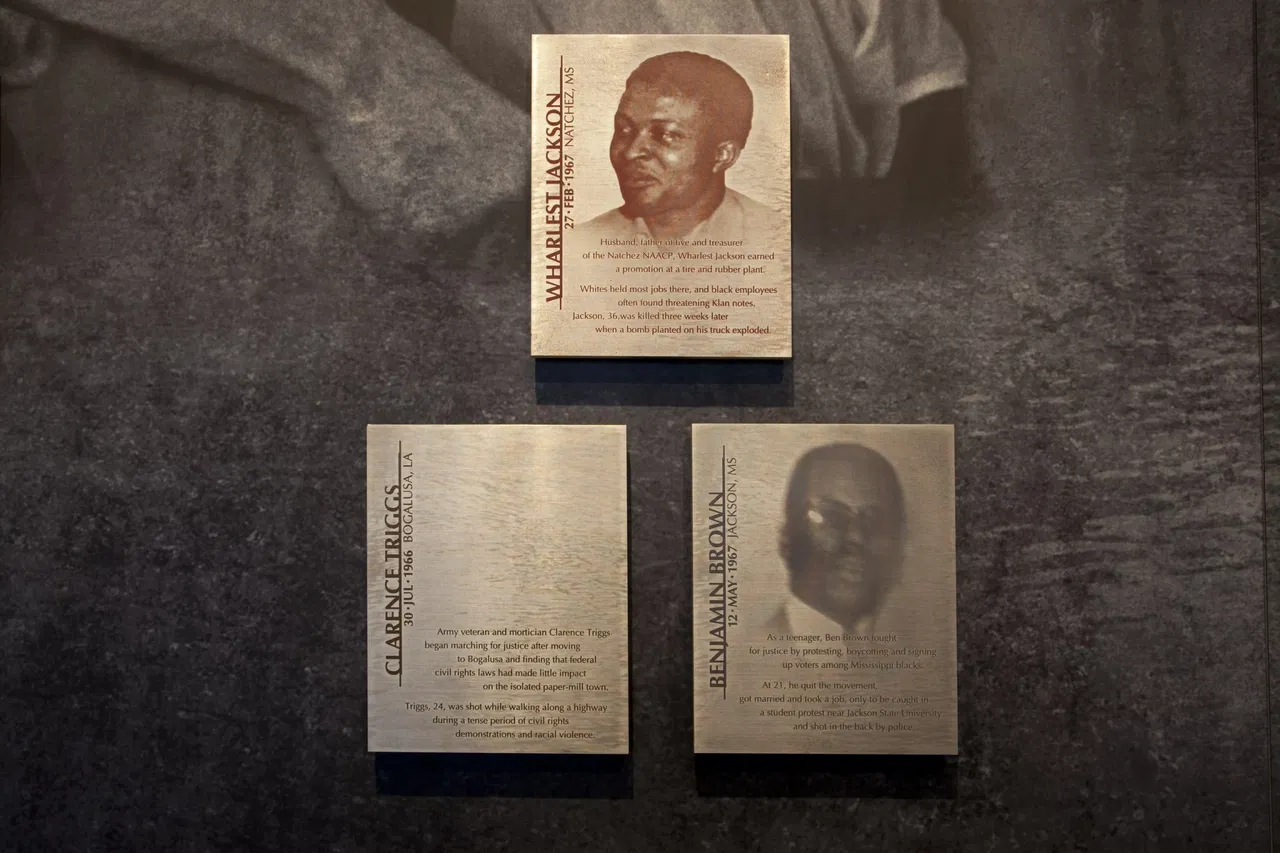
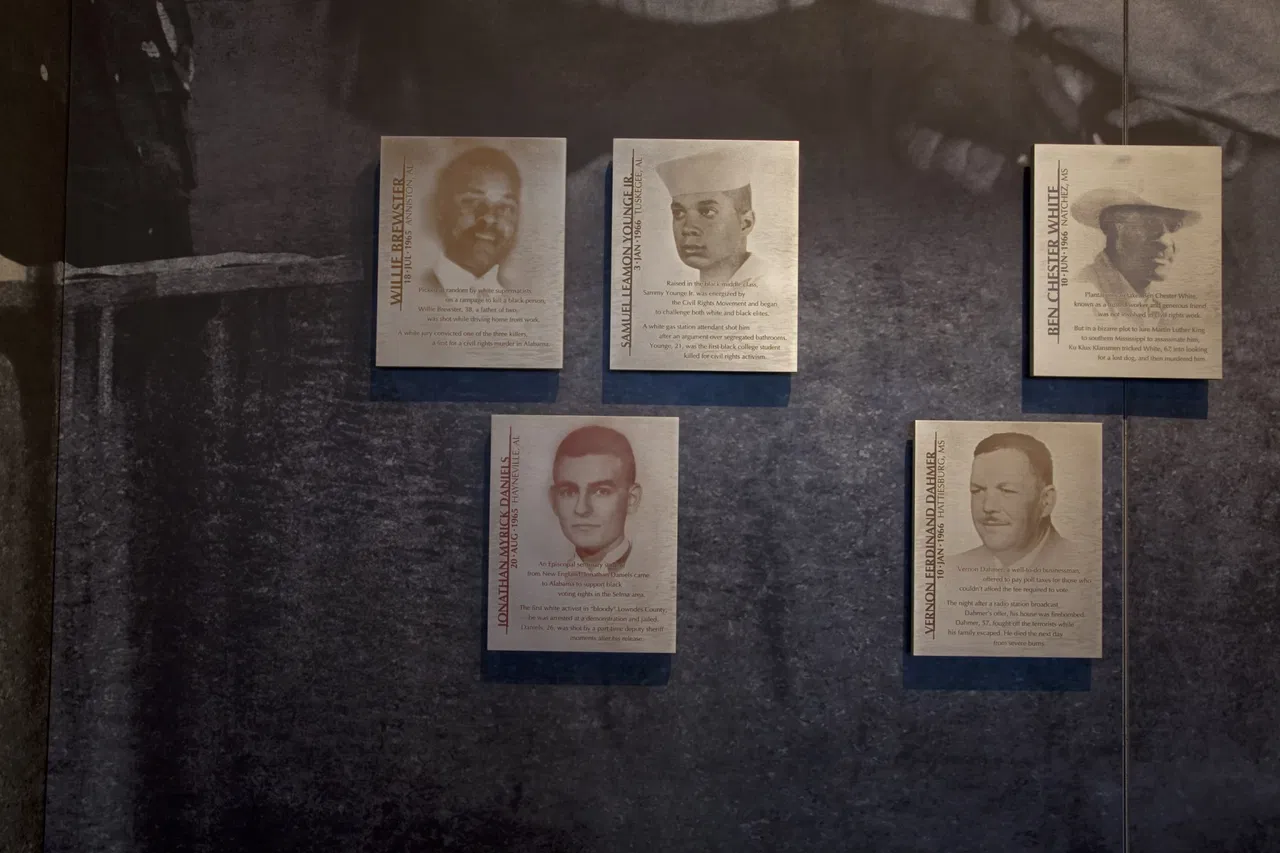
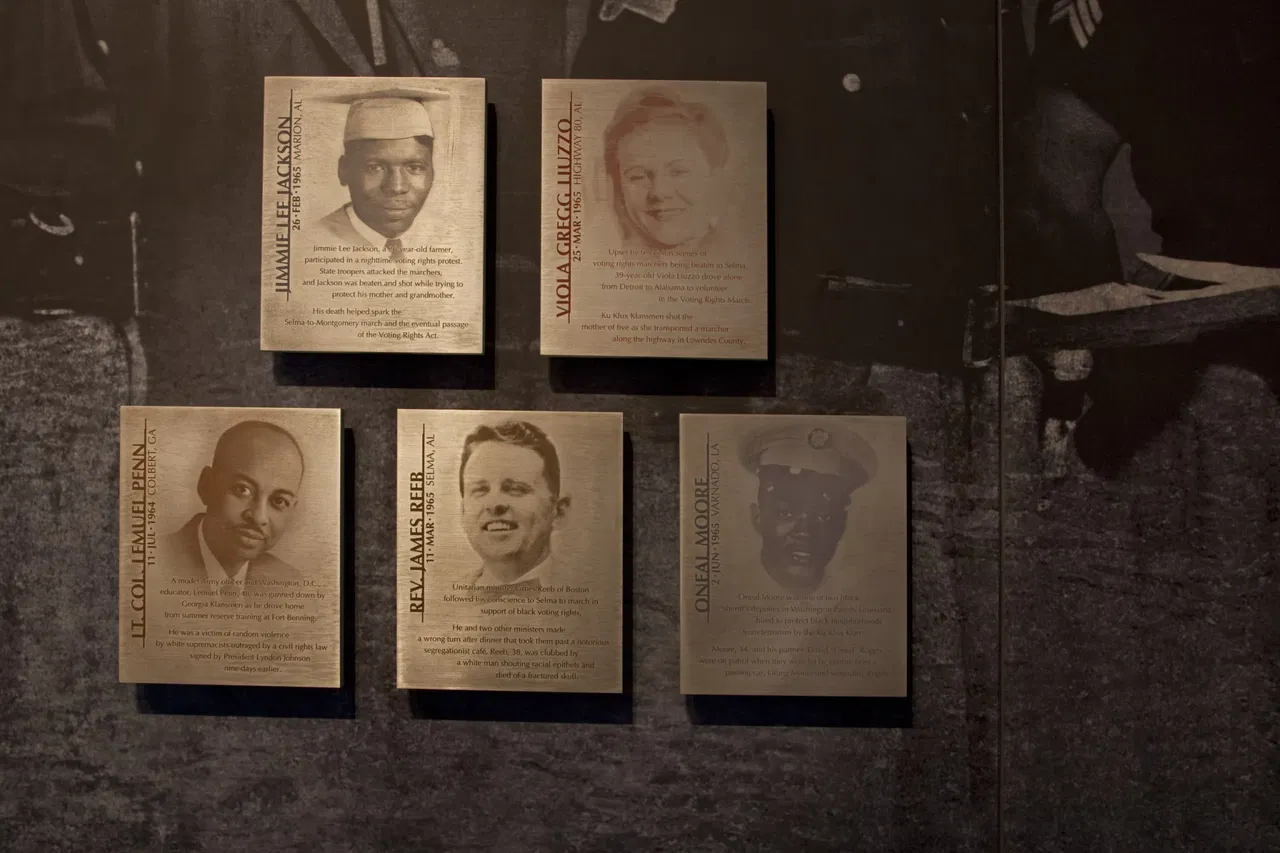
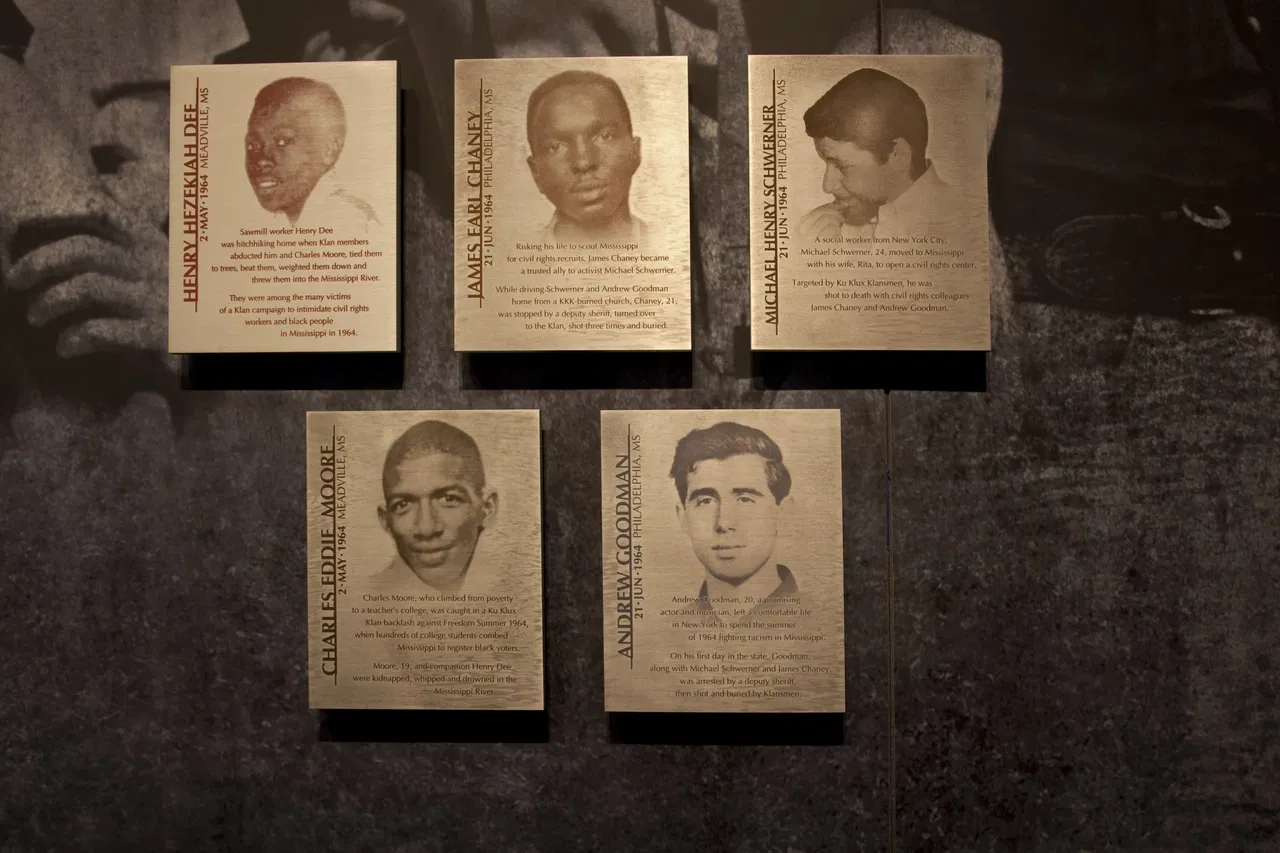
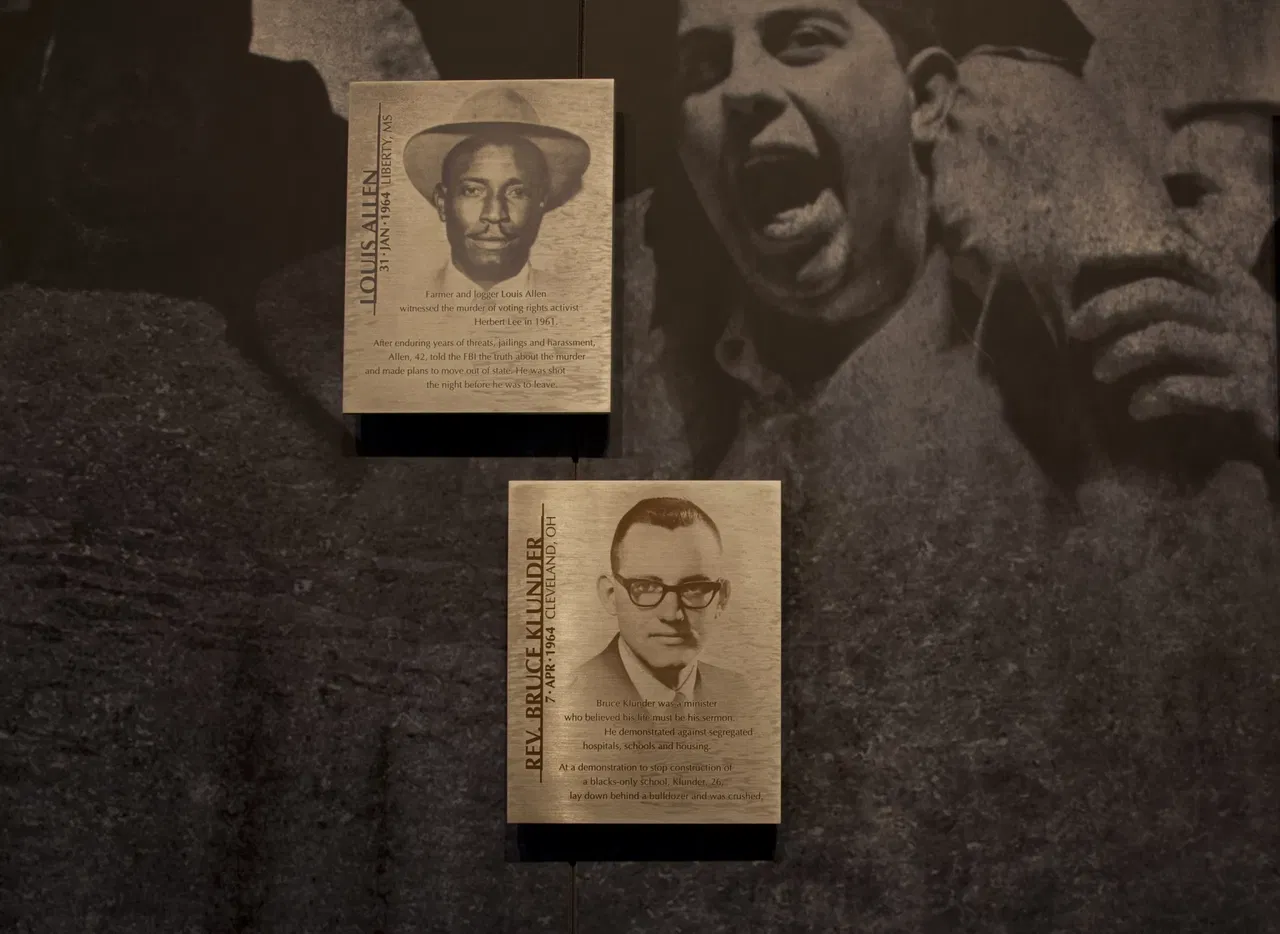
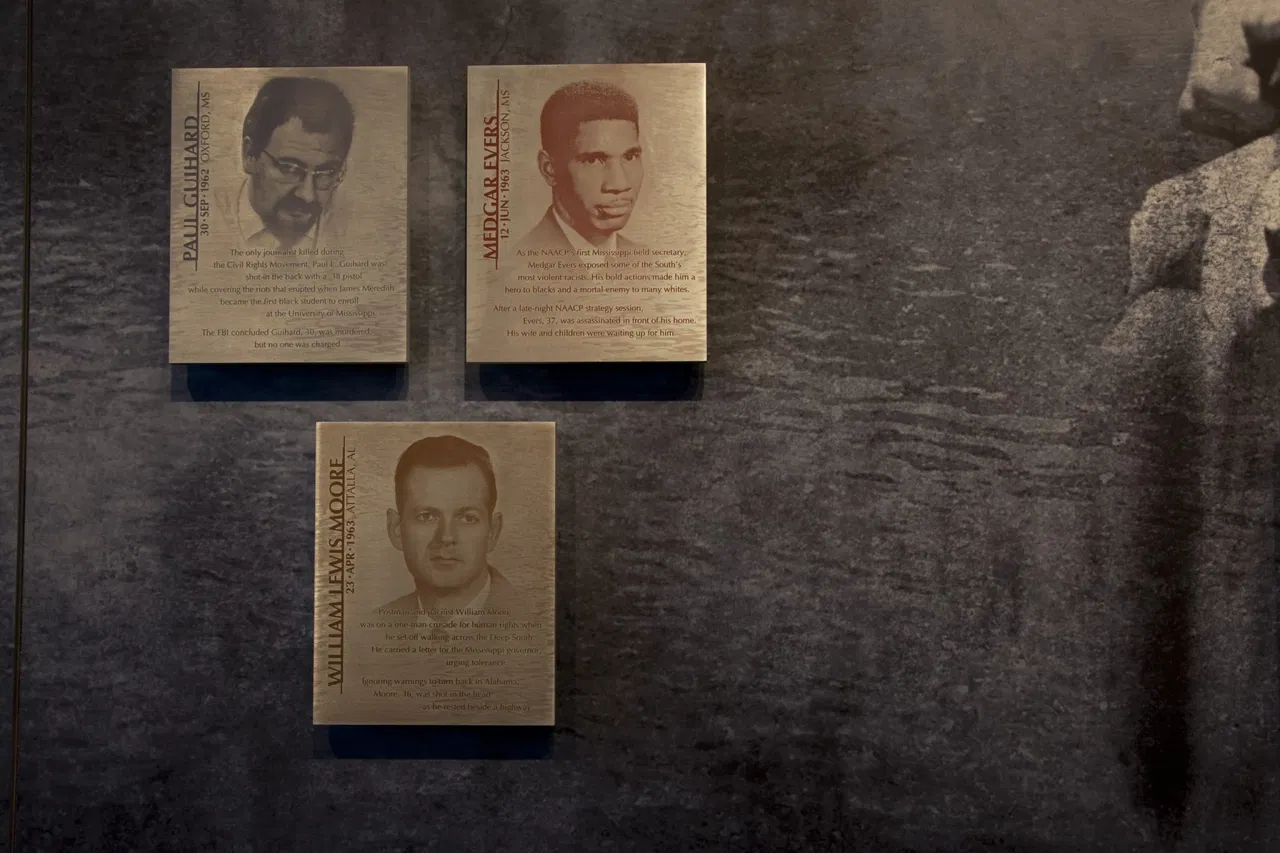
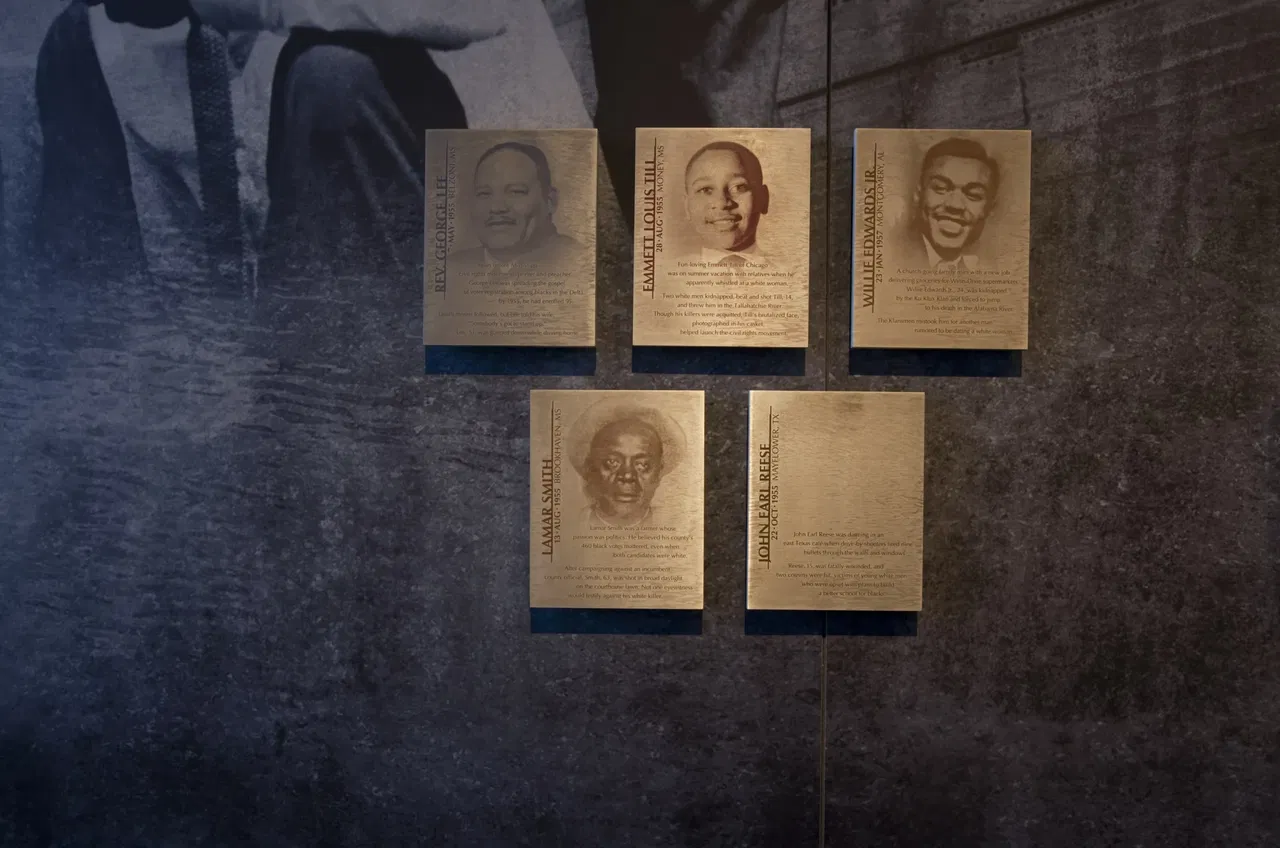
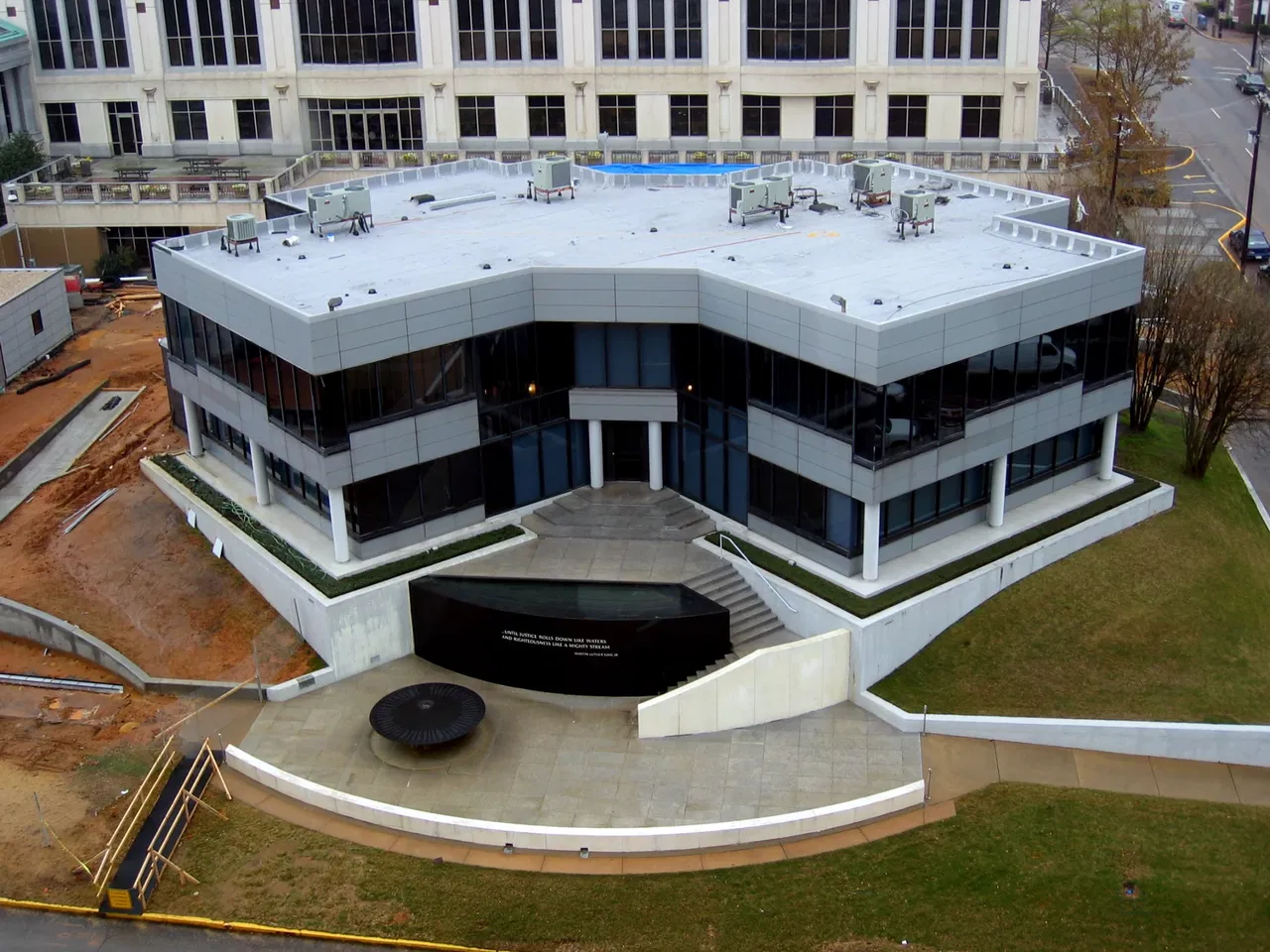
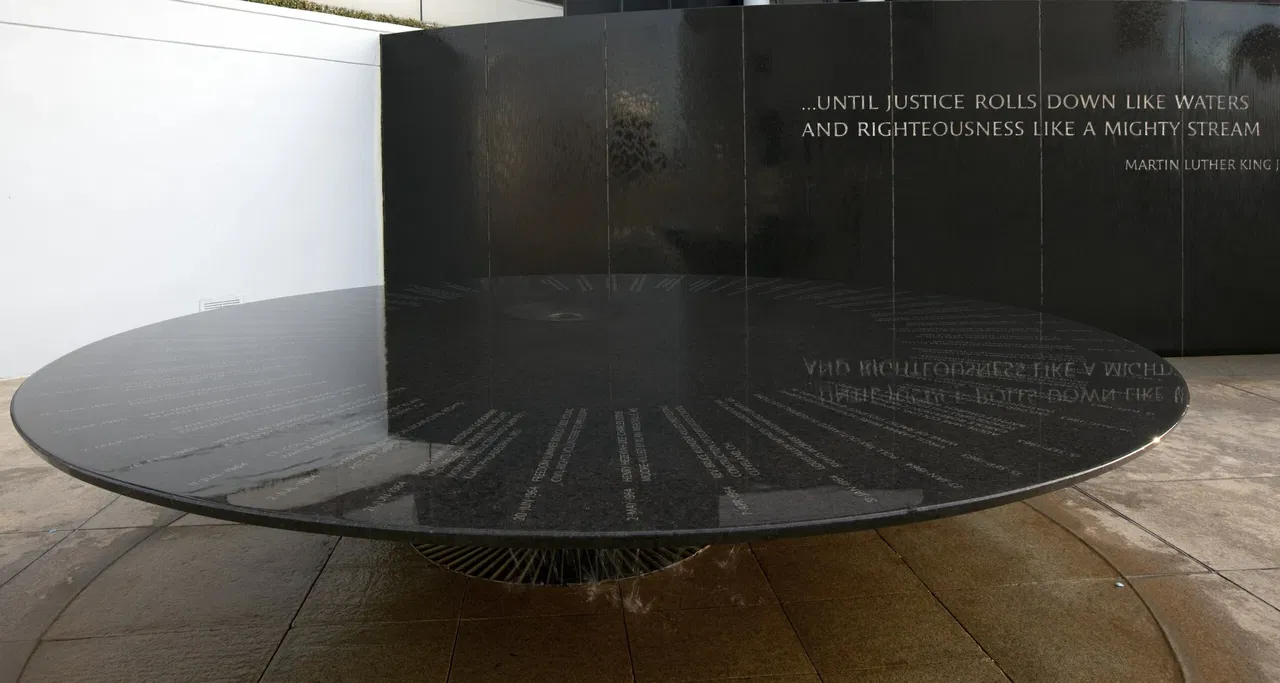
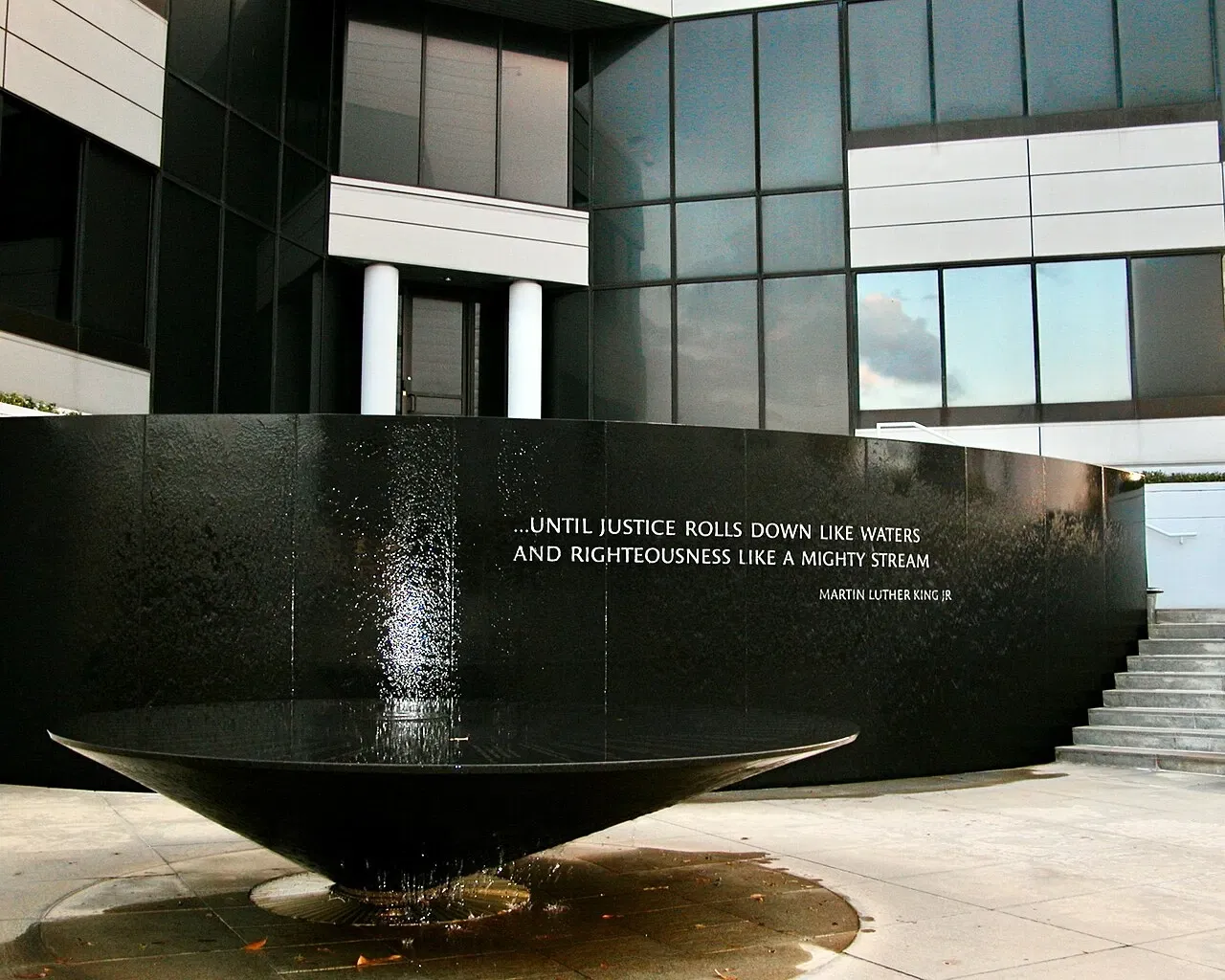

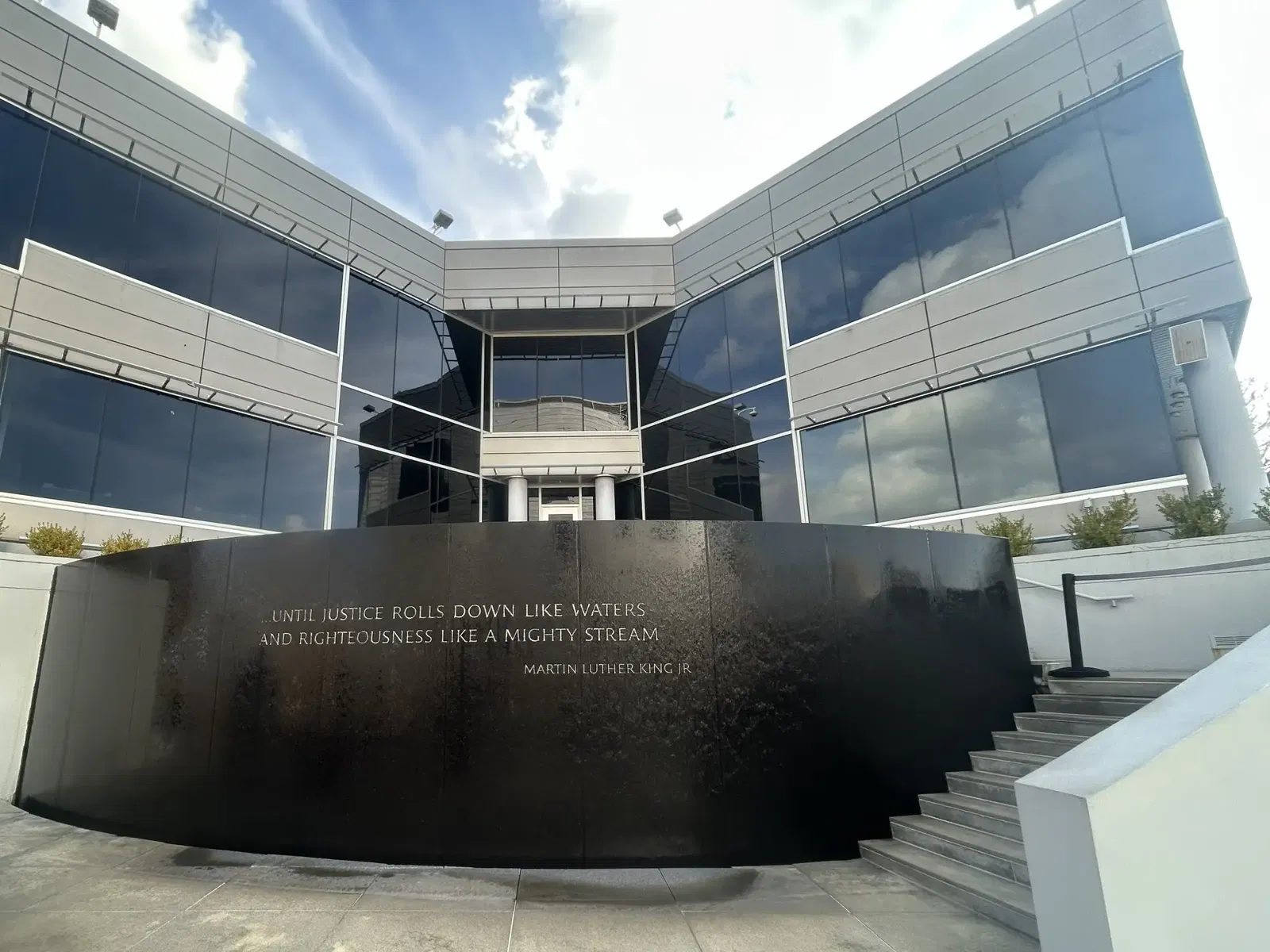
Il Civil Rights Memorial, situato a Montgomery, in Alabama, è un monumento significativo della storia americana. Creato da Maya Lin, il memoriale presenta i nomi di 41 persone iscritti su una fontana di granito. Queste persone sono riconosciute come martiri che hanno perso la vita durante il movimento per i diritti civili.
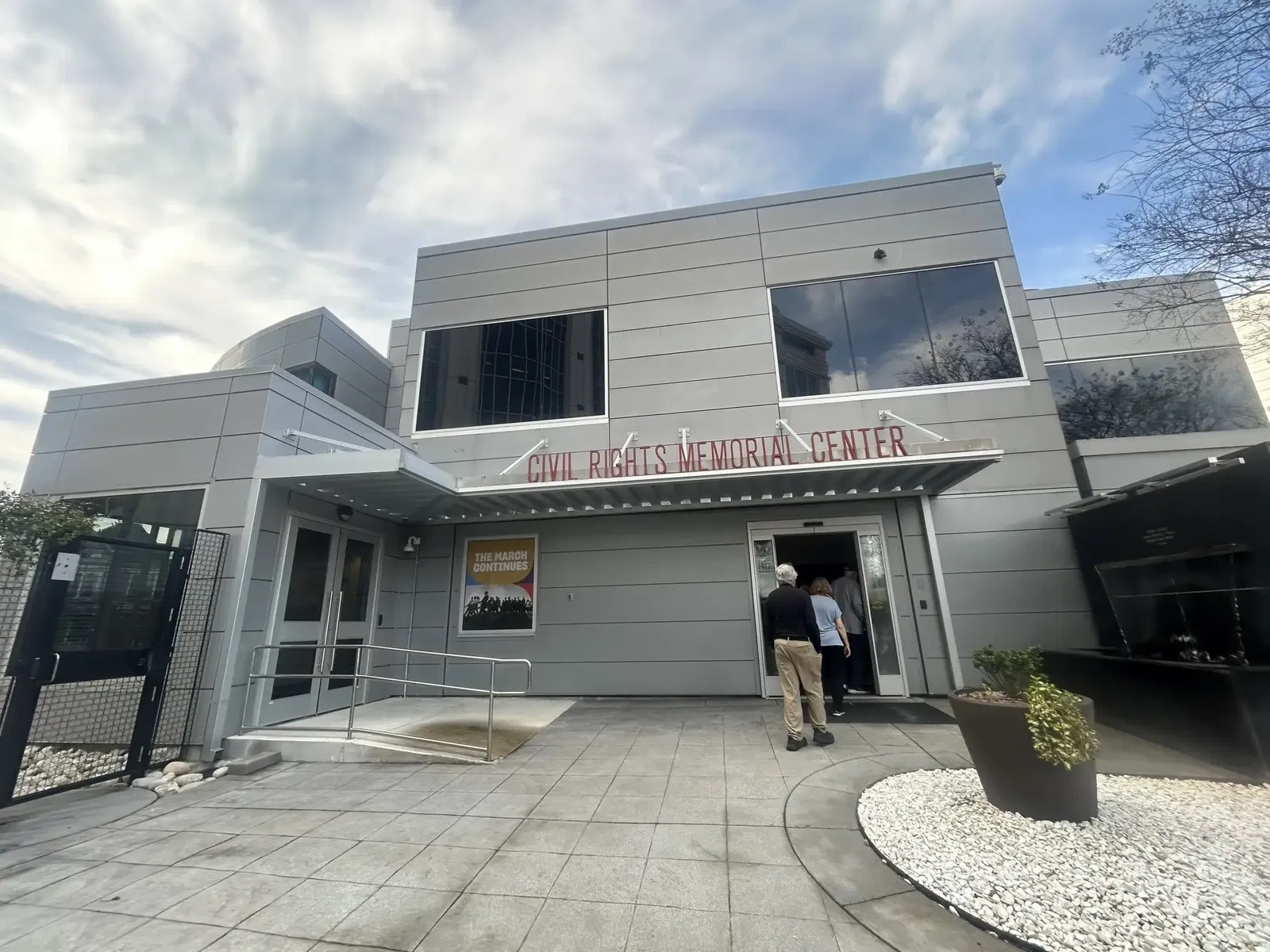
Il Civil Rights Memorial si trova nel centro di Montgomery, al 400 di Washington Avenue. Si trova in una piazza aperta di fronte al Civil Rights Memorial Center. Il memoriale è aperto al pubblico e può essere visitato liberamente 24 ore al giorno, 7 giorni alla settimana.
Il Civil Rights Memorial Center offre visite guidate di gruppo della durata di circa un'ora. Le visite sono disponibili su appuntamento dal lunedì al sabato.
Il Civil Rights Memorial si trova a pochi isolati da altri siti storici. Tra questi, la Dexter Avenue King Memorial Baptist Church, l'Alabama State Capitol, l'Alabama Department of Archives and History e la Rosa Parks Library and Museum.
Storia & Antropologia Casa storica Persona & Artista Religione
Washington Ave 400, Montgomery
Non sono state trovate mostre a Civil Rights Memorial.
Il Civil Rights Memorial ha 2 valutazioni.
Le Civil Rights Memorial à Montgomery, Alabama, est un hommage puissant et émouvant au Mouvement Américain des Droits Civiques. Situé près du Southern Poverty Law Center, ce mémorial en plein air conçu par Maya Lin offre aux visiteurs une expérience sombre et propice à la réflexion.
La pièce maîtresse du mémorial est une table circulaire en granite noir gravée des noms des martyrs des droits civiques et des événements clés du mouvement, avec de l'eau qui coule sur sa surface. Cette conception encourage les visiteurs à toucher les noms et à réfléchir aux sacrifices consentis pour l'égalité.
De nombreux visiteurs trouvent que le mémorial est une expérience profonde et émotionnelle, louant sa simplicité et son efficacité à transmettre l'importance de la lutte pour les droits civiques. Le centre d'interprétation adjacent fournit un contexte supplémentaire et du matériel éducatif, améliorant l'expérience globale.
Certains visiteurs notent que, bien que le mémorial lui-même soit relativement petit, son impact est significatif. Quelques-uns mentionnent que l'expérience peut être brève, potentiellement ne durant que 15 à 30 minutes, ce qui pourrait décevoir ceux qui s'attendent à une exposition plus vaste.
Dans l'ensemble, le Civil Rights Memorial est très apprécié pour sa valeur éducative, sa résonance émotionnelle et son rôle dans la préservation et l'hommage à la mémoire de ceux qui ont lutté pour les droits civiques. Il constitue un point de repère important pour ceux qui s'intéressent à l'histoire américaine et à la justice sociale.

We visited the Civil Rights Memorial Center in Montgomery, AL on Jan 7, 2026 as part of Road Scholar's "The Civil Rights Movement - Atlanta, Montgomery, Selma, Birmingham" program. As the name indicates, it's a memorial and not a true museum. Tickets were covered by our program. We spent less than an hour here, in part because we got two other similarly small museums to visit in our day's itinerary.
At the entrance of the Center is a security screening. We were directed to line up in rows. The security guard was friendly. He nicknamed me "Big T" since my name started with "T". I replied, "I wish I was big." To which he went, "Me too," and we both laughed. Row by row, we went up to the counter to surrender our personal items prior to the screening. The guard allowed me to keep my belt on even though the buckle is metal. Then each of us went through the screening. No issues encountered. We were then joined by a museum guide.
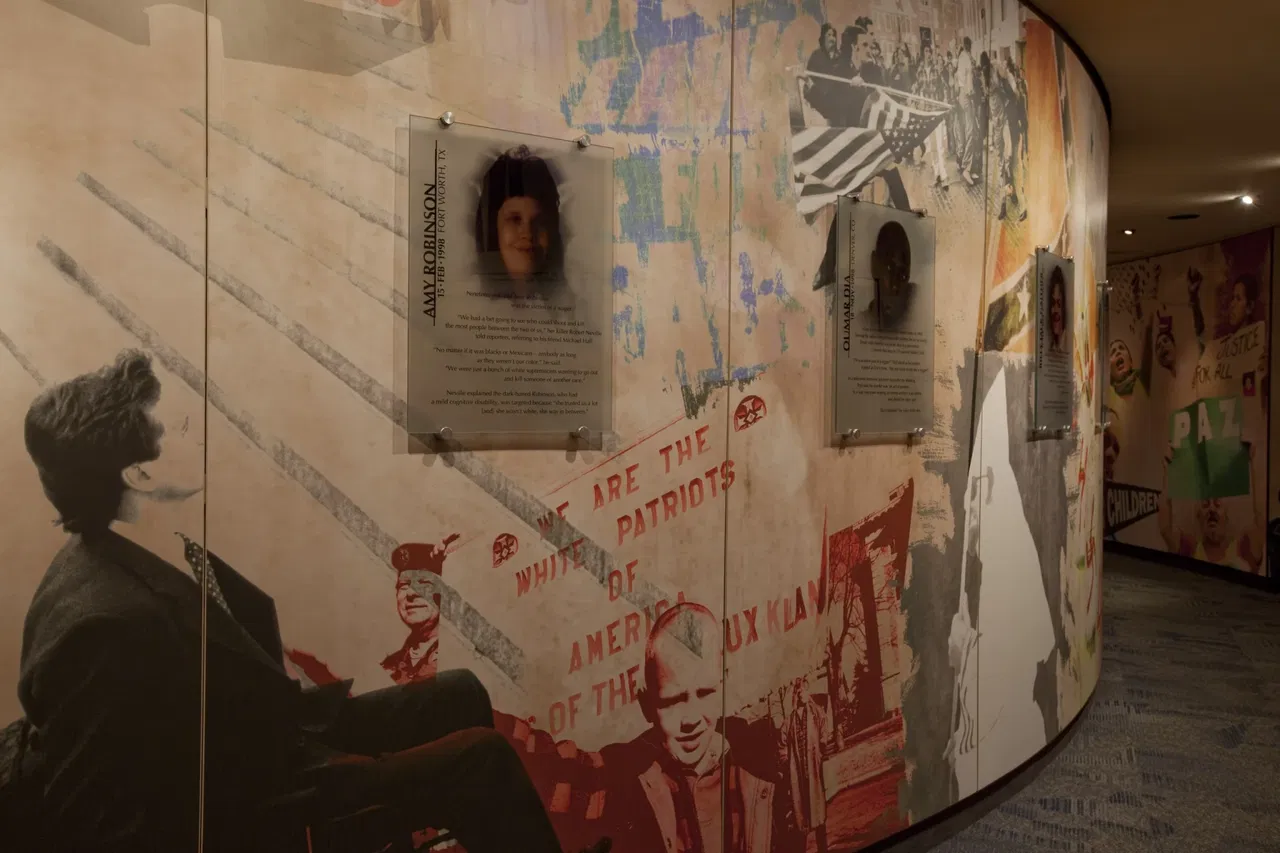
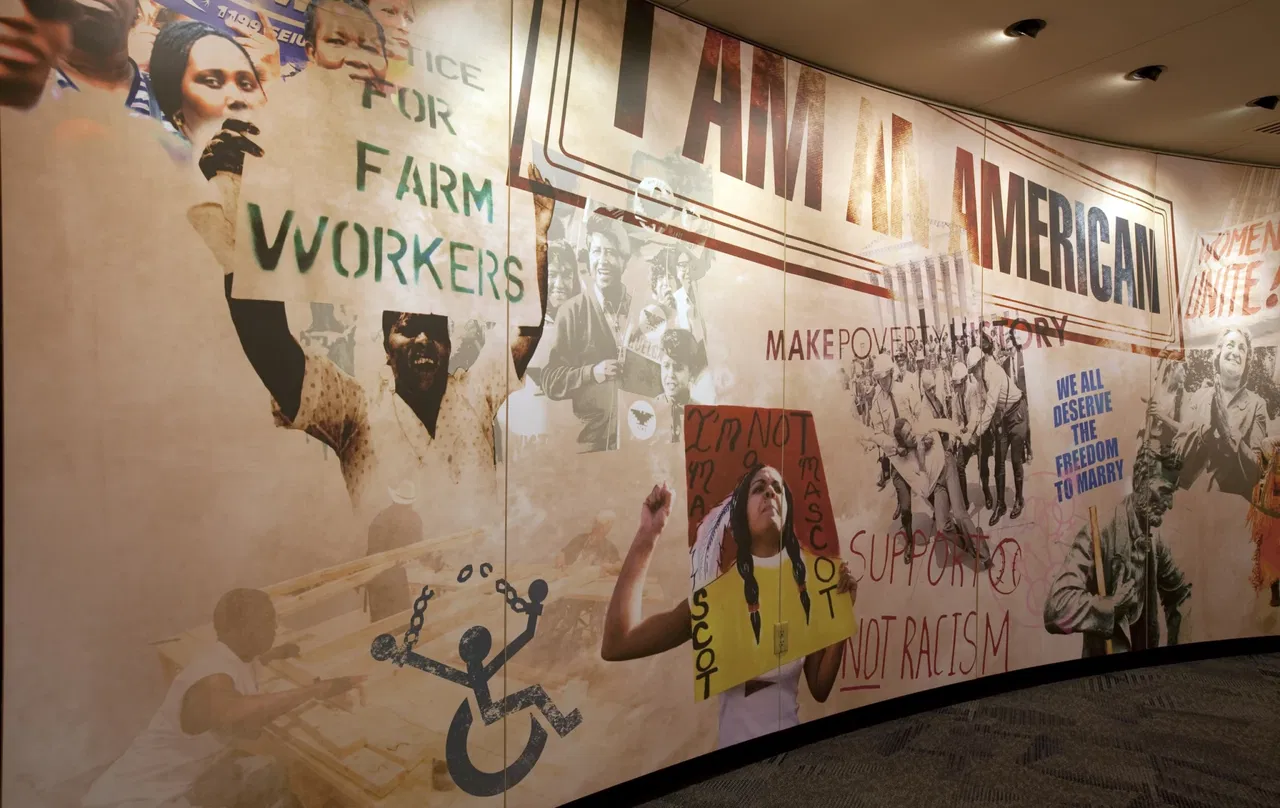
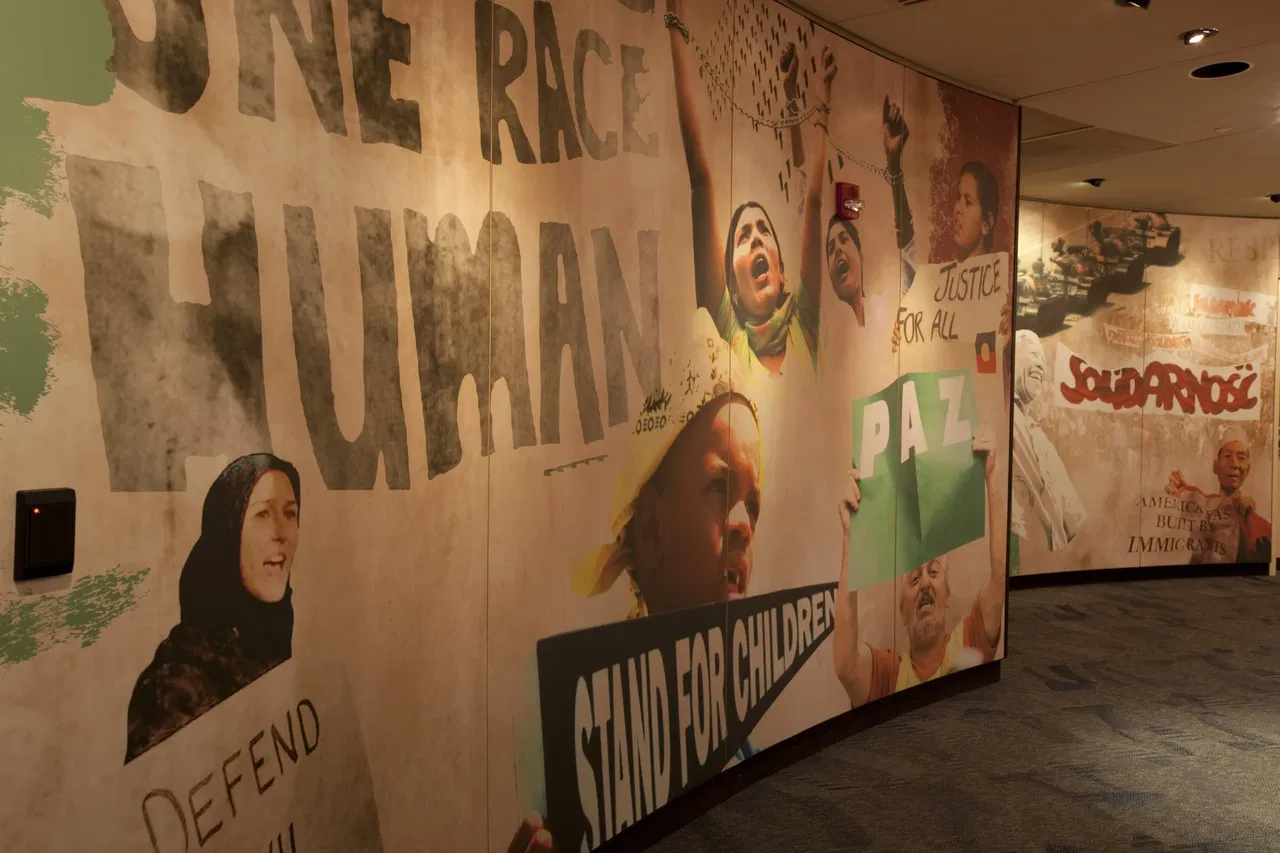
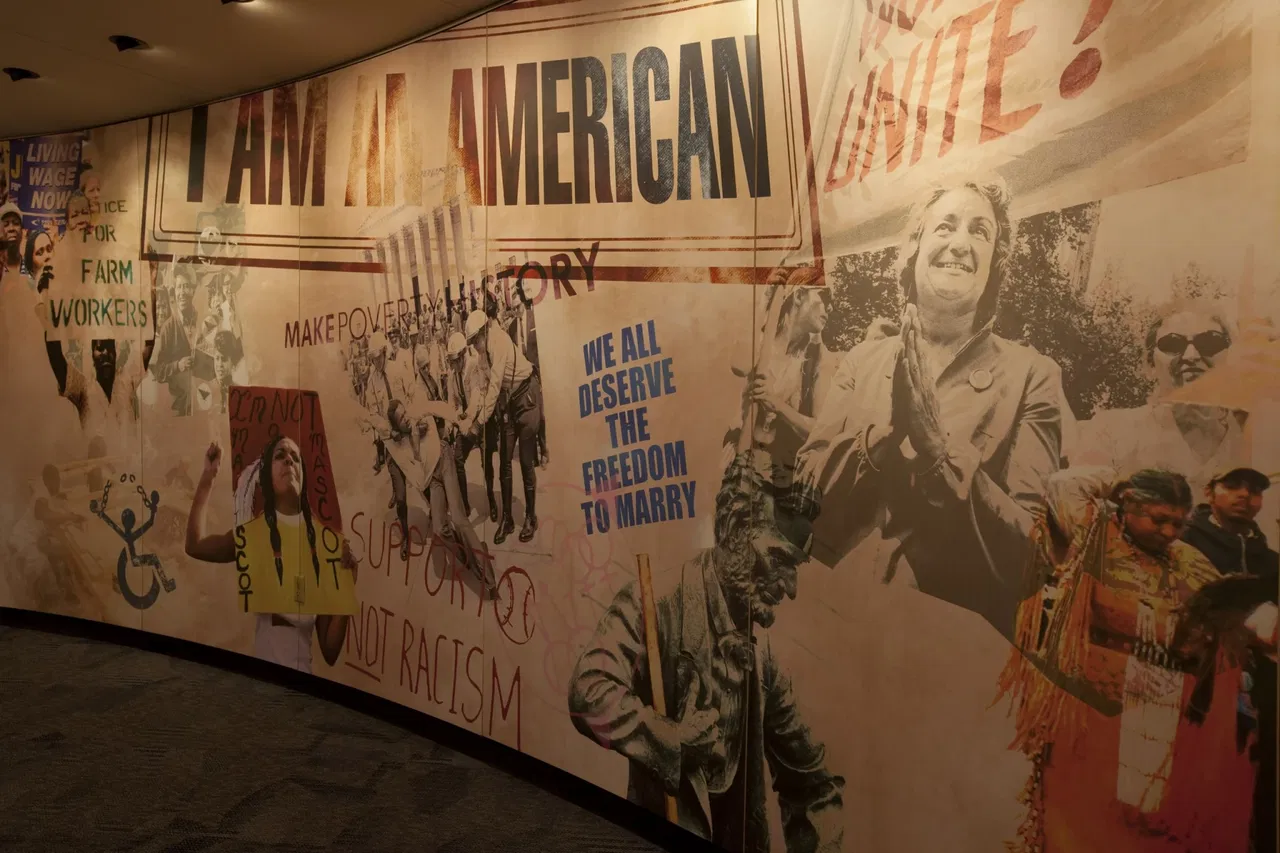
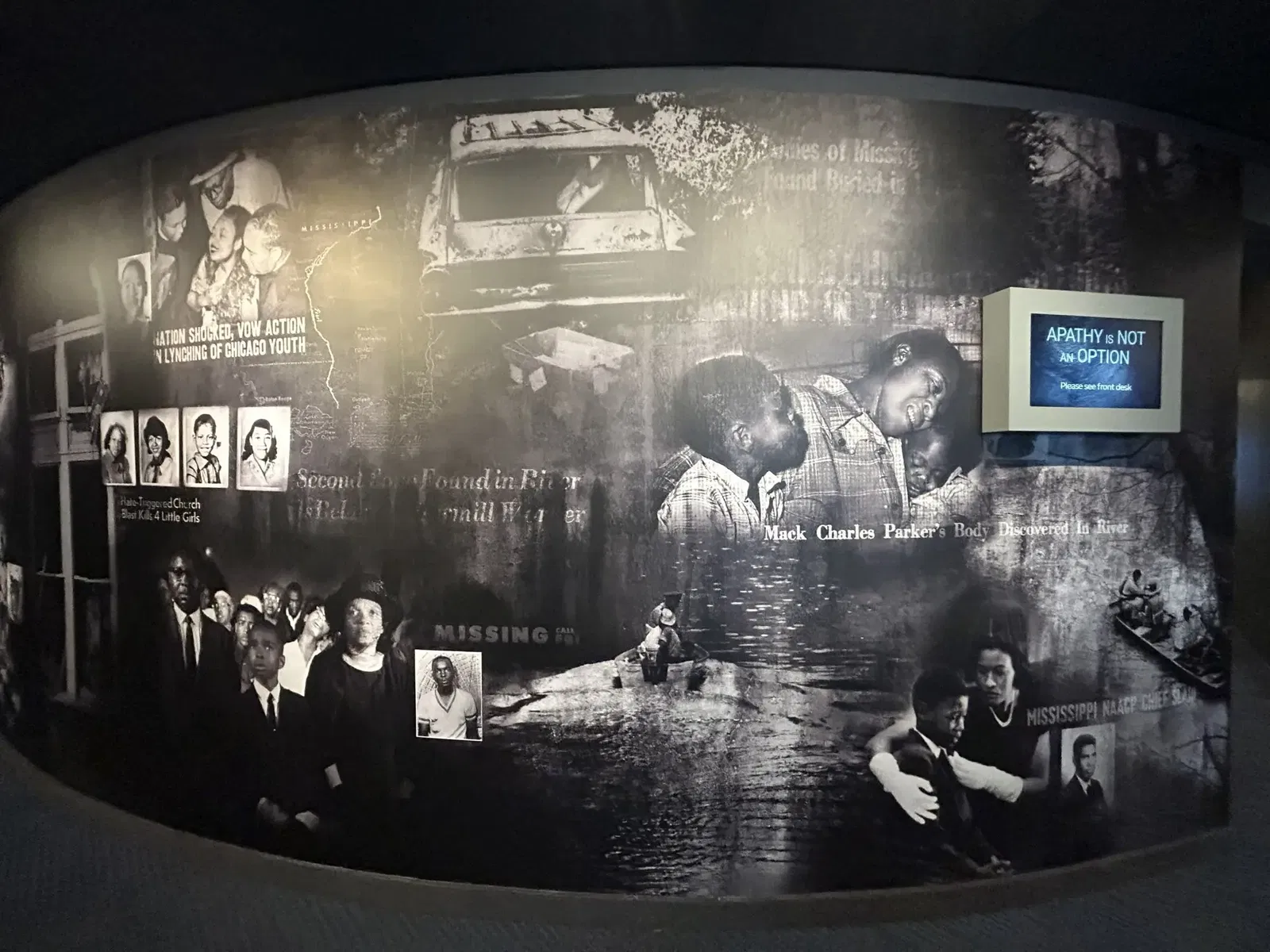
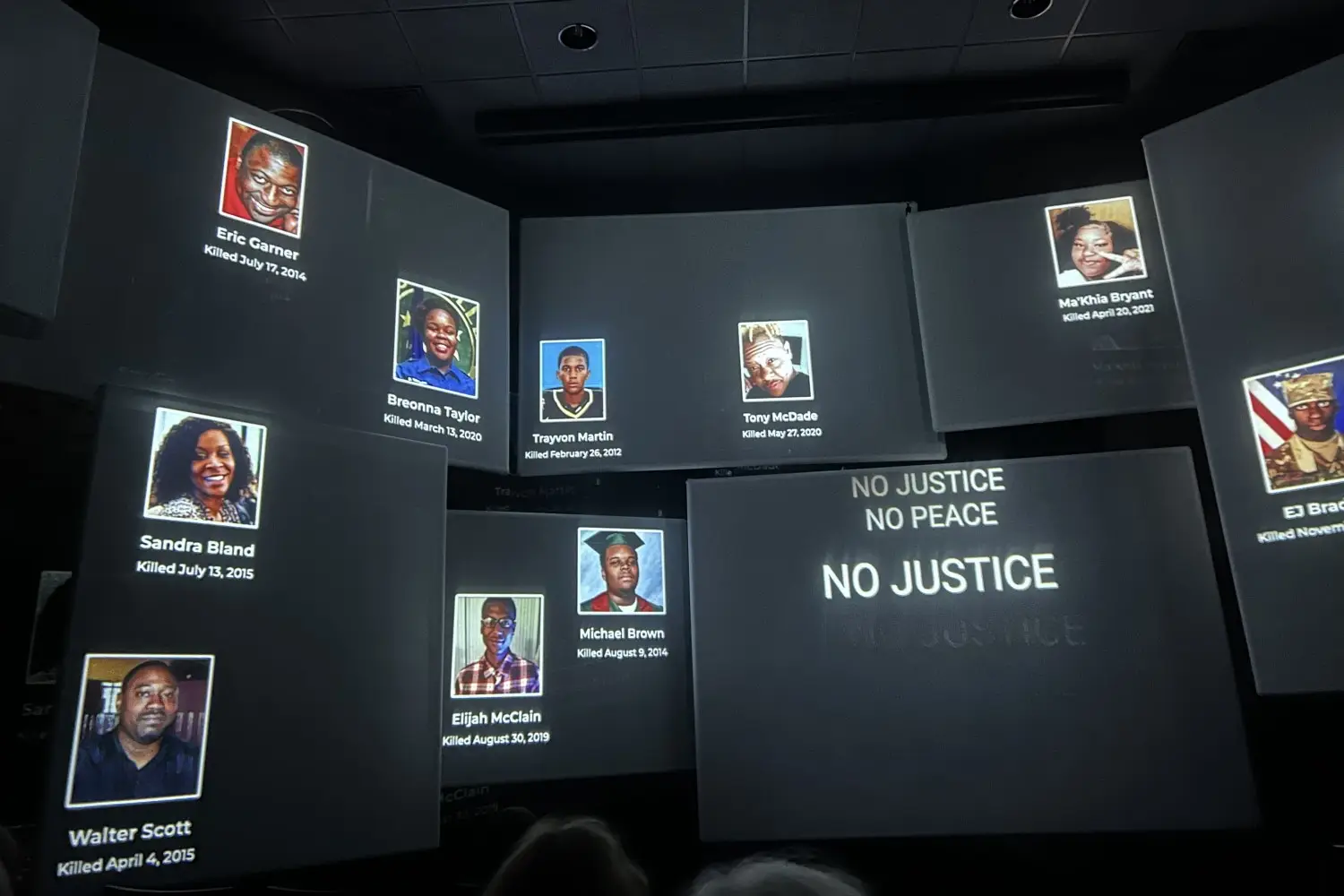
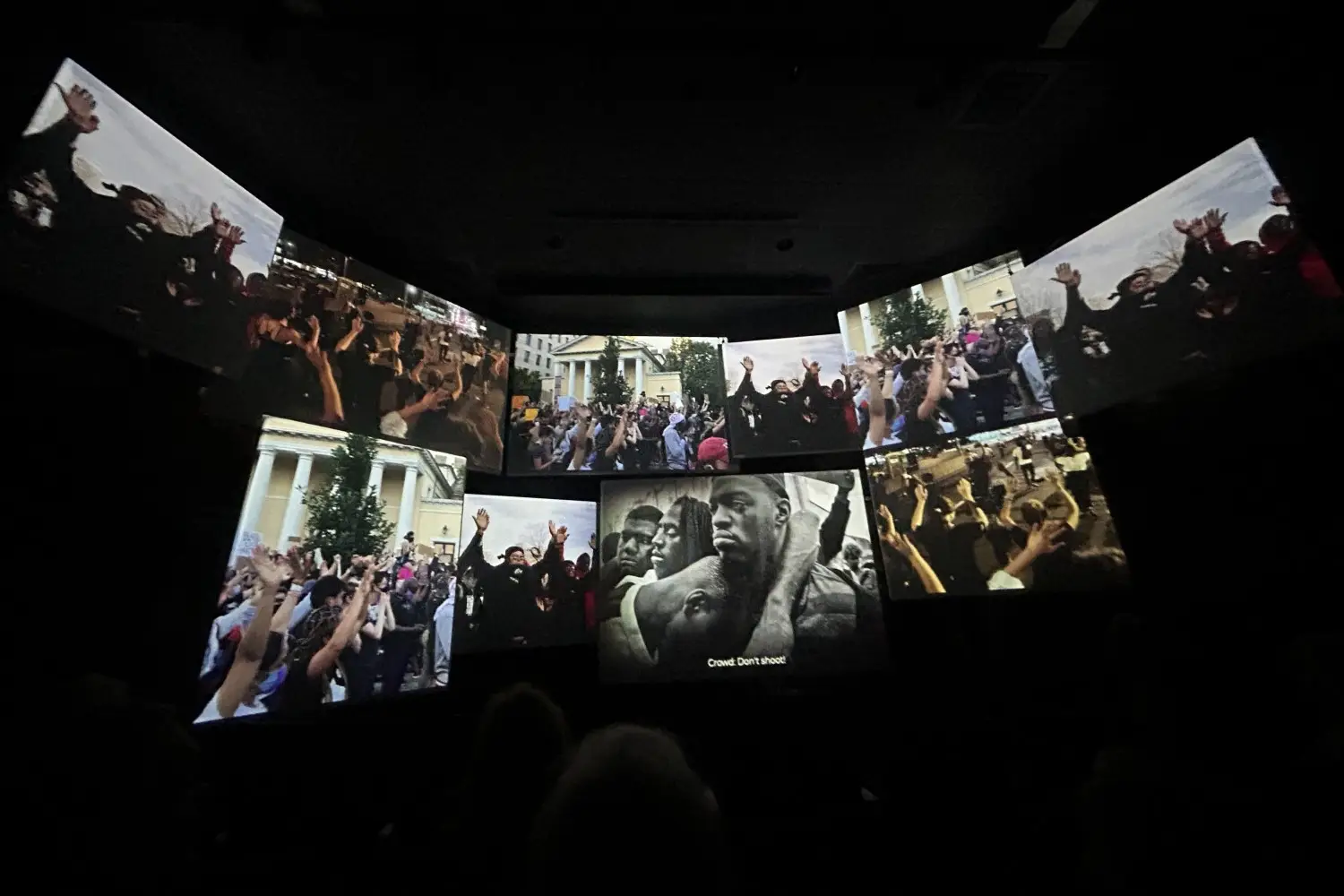
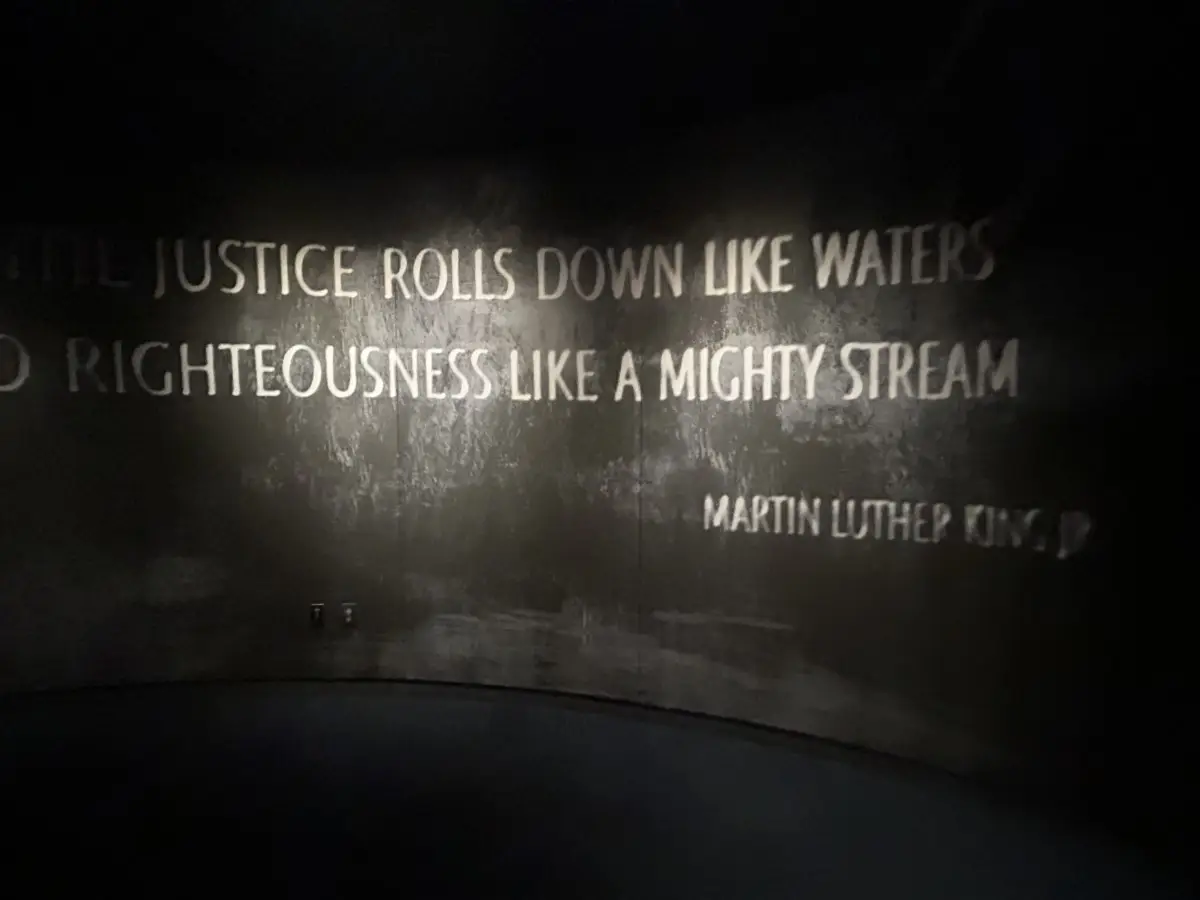
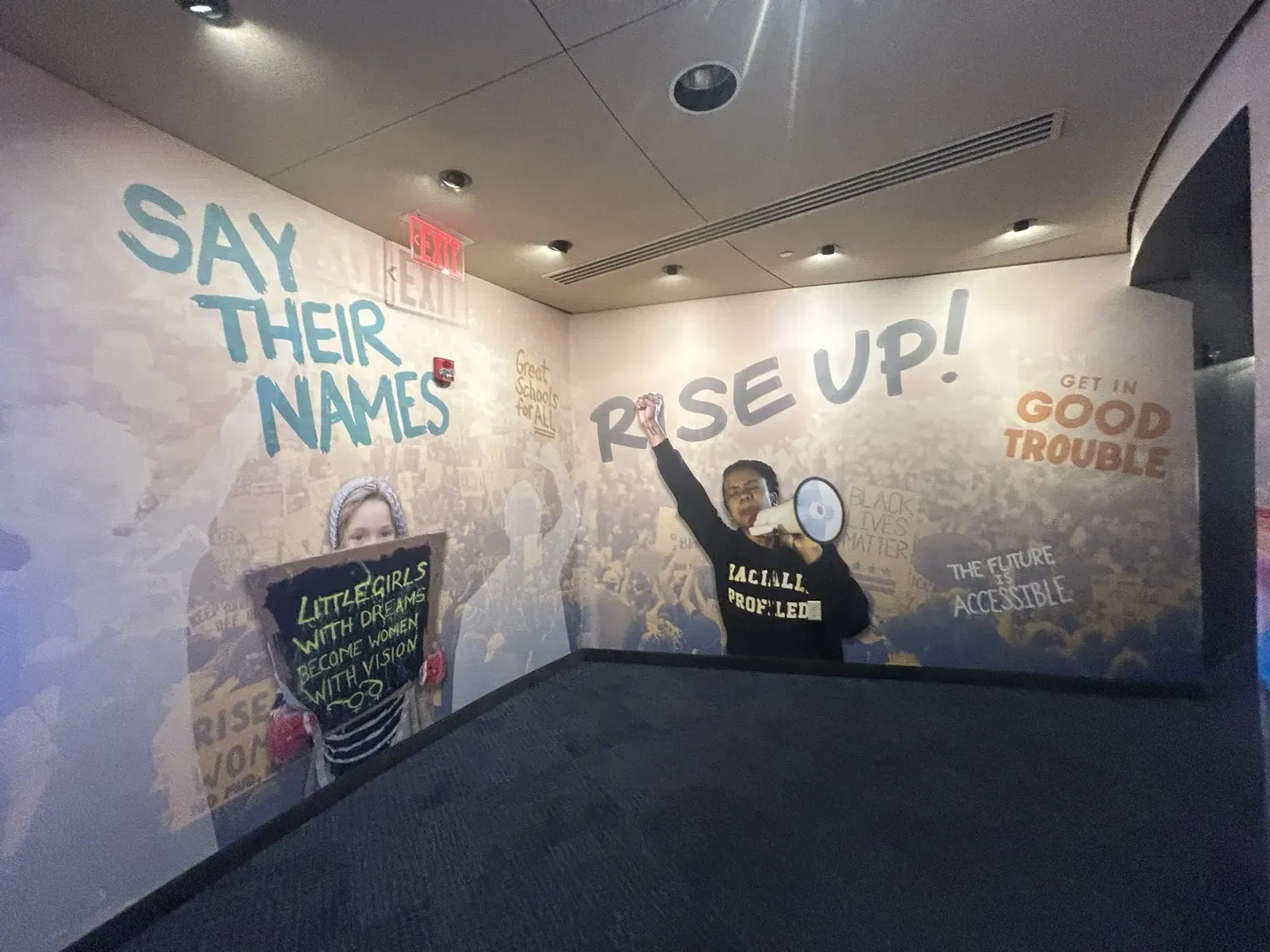
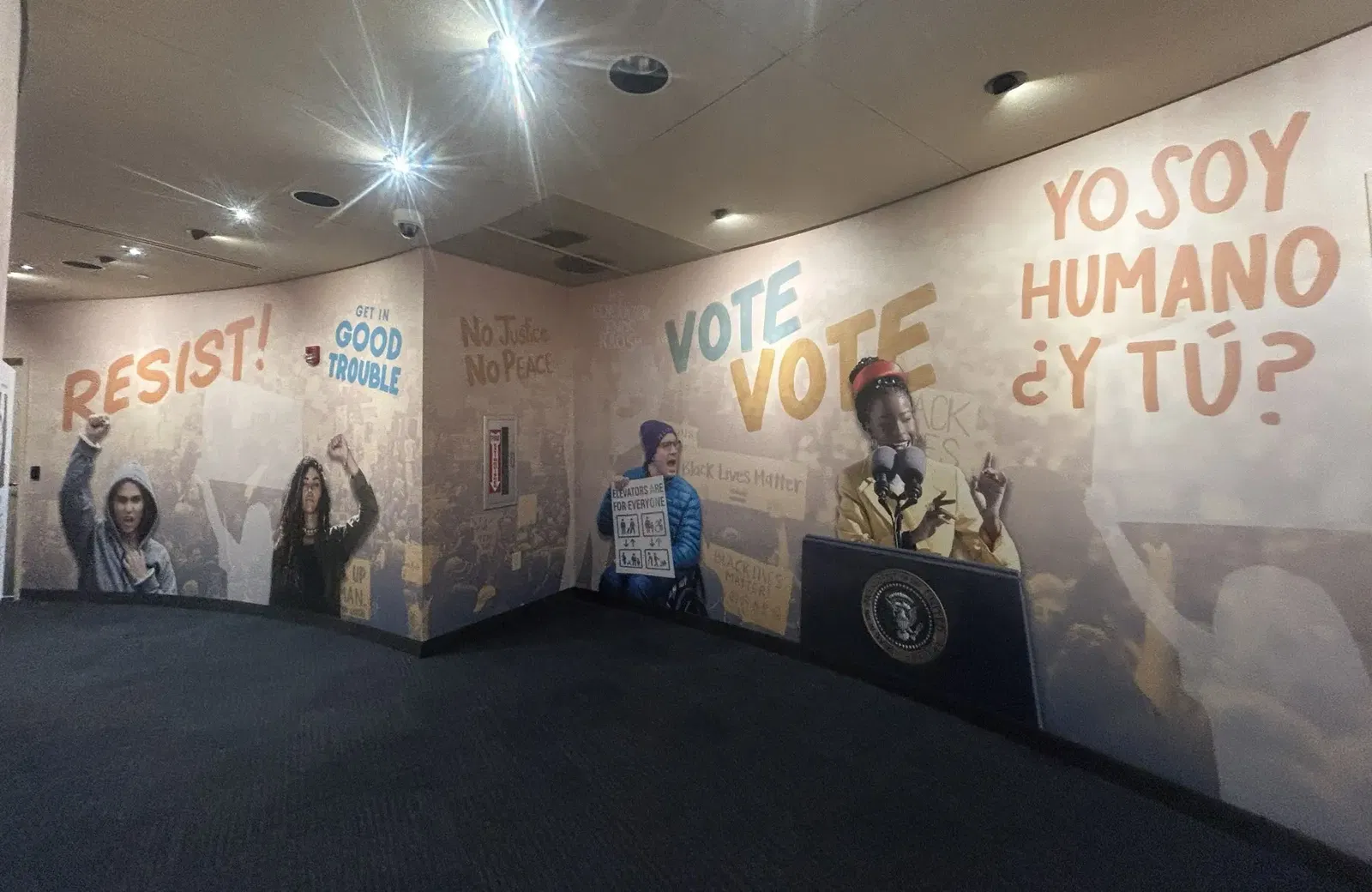
The first section is the Martyr Room, dedicated to the 40 that were killed during the Civil Rights Movement. Collage of photos and individual profiles positioned at eye level filled every wall. There is a console in the middle of the room for visitors to learn more. A short while later, we were led to the Orientation Theater where we watched a short film called "Apathy is not an Option". It started with a highlight reel of the Movement and connects it to contemporary events of social justice. After that, we continued on to "The March Continues", a hallway of murals depicting contemporary social justice. The end of the hallway leads the "Wall of Justice" room. On one wall is a large, wide screen with names of people involved in civil rights through the ages, set to a photo of - presumably - the Selma March. By the opposite wall are inscribed quotations from historical figures, including one from Robert Kennedy (Sr.) during a trip in Cape Town, South Africa in 1966.
The best was saved for last. We arrived at the Memorial table to see water literally flowing down onto its surface where the names of the 40 are etched. The artwork is indeed magnificent. Footage is in the video "Day 4 & Day 5: Civil Rights Memorial Center, Legacy Plaza, Legacy Museum" on my YouTube channel, in playlist "2026-1: The Civil Rights Movement - Atlanta, Montgomery, Selma, Birmingham".
If it was up to me, I'd spend a few minutes more in the Martyr Room. It has the most content of all the sections. Overall, the Civil Rights Memorial Center is a good, albeit modest-sized center. It is worth the visit if done in conjunction with the Rosa Parks Museum and the Freedom Rides Museum, both of which are within walking distance.
Visitato il 7 gen 2026
Questa valutazione si basa sulla valutazione di questo museo su diverse altre piattaforme.
Scopri i musei nei dintorni di Civil Rights Memorial e di Montgomery.